Red Light Therapy: 7 Ways It Can Naturally Lower Your Blood Sugar
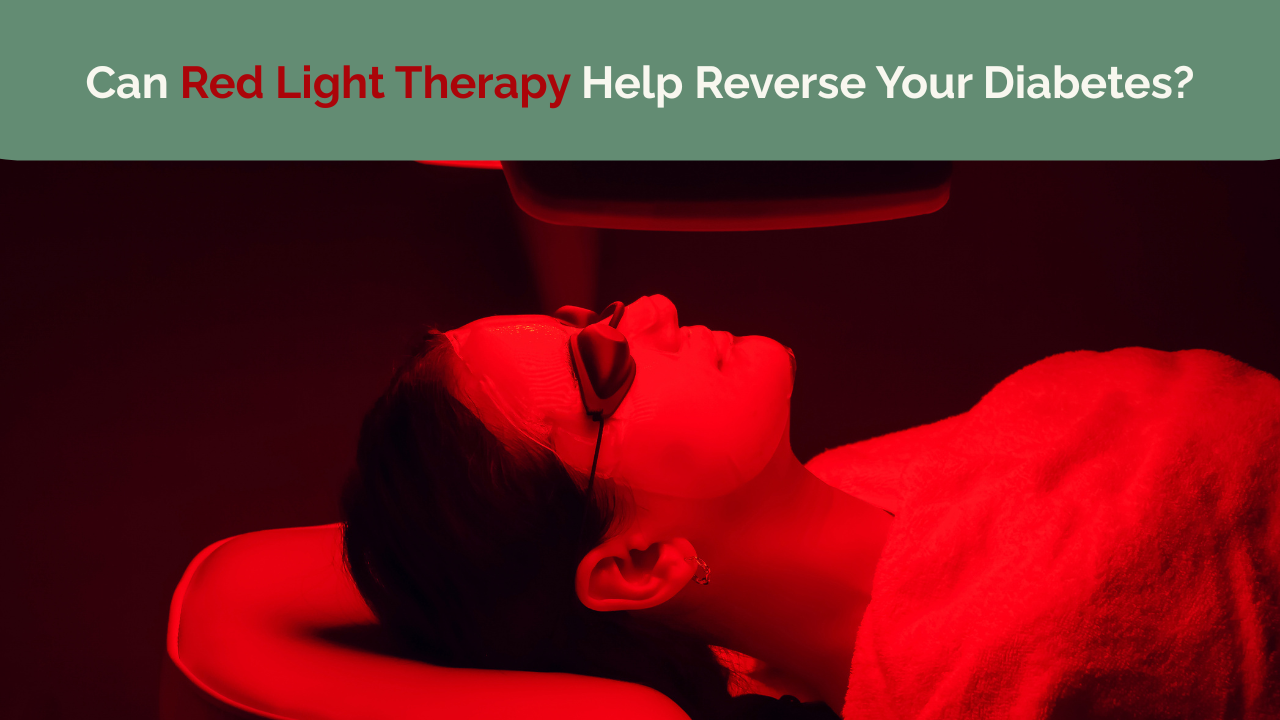
From Beautiful Skin to Supporting Better Blood Sugar Control.
You've probably heard of red light therapy (RLT), or maybe even tried it during a facial treatment because of its reputation for improving skin appearance. But, can it do more than this?
Studies from randomized controlled trials and reviews show it can reduce fine lines, increase collagen, and help skin look smoother and healthier. What many people don't realize is that the same process powering those skin improvements—boosting how your cells produce energy—may also help with blood sugar balance, especially in relation to insulin resistance, one of the primary root causes of high blood glucose levels in all types of diabetes, including prediabetes.
Red light therapy uses gentle, low-level red and near-infrared light (usually in the 600-1100 nanometer range) that passes through the skin to reach your cells. Inside the cells, this light is absorbed mainly by the mitochondria—the tiny "power plants" that turn food into usable energy in the form of ATP (adenosine triphosphate). When mitochondria absorb the light, they work more efficiently: they make more ATP, handle energy better, produce fewer harmful reactive molecules (like excess oxidative stress), and reduce inflammation at the cellular level.
Fun fact: RLT was originally studied by NASA for its beneficial effects on plant growth and wound healing in space!
Most people don't know that your mitochondria play a crucial role in blood sugar management and your overall sugar metabolism. Whether you have prediabetes, type 1 diabetes, type 2 diabetes, LADA, gestational diabetes, or type 3 diabetes (dementia), improving your blood sugar metabolism means better blood sugar control.
In diabetes, insulin resistance often starts in skeletal muscle cells when mitochondria aren't functioning at their best. Poor mitochondrial performance makes it harder for muscles to burn fats effectively, leading to a buildup of certain fat molecules inside the cells. These fat buildups, called intramyocellular fat, fill up the cell and stop insulin from doing its job of opening the door for sugar to leave the blood stream and enter the cell, so blood sugar stays higher than it should. You can imagine it like glucose wanting to go to a movies, but the theater if full of fat globules and there are no seats left for the glucose.
By improving mitochondrial function, RLT helps muscles process fats more efficiently and supportsbetter insulin sensitivity so glucose can enter cells (there's room in the theater now!)
The evidence for this builds step by step across different types of research.
Here are seven verified ways RLT supports better blood sugar control, drawn from recent scientific studies:
-
Energizes your cells to handle fat better and improve insulin response.
In diabetes, muscle cells often struggle to process fats efficiently, causing buildups that weaken insulin's ability to move glucose from your blood into cells for energy, leaving you with high blood sugar and fatigue. Red light therapy revitalizes the mitochondria in these cells, ramping up energy production and fat burning. Lab studies on insulin-resistant cells show that RLT reduces this mitochondrial overload, allowing insulin to shuttle glucose more effectively into the cell where its turned into energy that fuels your busy days.
-
Cuts down on post-meal blood sugar surges by up to 28 percent.
After eating, those with diabetes see blood sugar spikes that that lead to energy crashes and long-term complications like nerve, eye, and kidney damage. RLT enhances how cells absorb glucose right after meals by optimizing mitochondrial function. In a 2024 study with healthy adults, 15 minutes of 670 nm red light before a glucose test lowered the overall blood sugar increase by 27.7 percent and the peak by 7.5 percent, helping prevent those post-meal highs that disrupt your day.
For you, this could mean the difference between a blood sugar reading of 201 mg/dL, squarely in the type 2 diabetic range and a sweet 145 mg/dL, which is just shy of normal.
-
Calms the dawn phenomenon for smoother starts to your day.
That early morning blood sugar spike, called the "dawn phenomenon", is driven by cortisol, which menopausal women are much more sensitive to. RLT helps tame high morning blood sugar numbers by enhancing mitochondrial function in your liver and muscle cells, which improves overnight insulin sensitivity and helps the liver release just the right amount of glucose to energize you in the morning. Learn more about how the liver impacts your blood sugar and why you must heal it to reverse diabetes in this article: https://www.yourveganfamily.com/blog/liver-health-dawn-phenomenon-and-diabetes-reversal -
Helps trim menopause belly fat and ease hormone-related resistance.
During menopause, dropping estrogen often leads to extra abdominal fat that worsens insulin resistance, fueling higher blood sugar and frustration with weight that won't budge. RLT addresses this by reducing inflammation and enhancing fat breakdown through better mitochondrial performance. This fosters a more responsive metabolism, helping women with diabetes manage the hormonal shifts that make blood sugar control feel like an extra challenge.
-
Eases nerve pain from neuropathy and promotes quicker healing.
The burning or numbness in feet and legs from diabetic neuropathy comes from ongoing oxidative stress and impaired circulation, the most damaging aspect of high blood sugar that contributes to blindness, kidney and heart disease, and the 50-70% higher risk of dementia in diabetics. RLT counters these by improving blood flow and lowering inflammation. I've watched too many diabetics get a small wound on their feet that won't heal. In the USA, every 4 minutes a diabetic is having a lower-limb amputation because of this. Reviews of studies confirm RLT reduces neuropathy pain and accelerates healing of foot ulcers.
-
Reduces inflammation and cell stress for lasting metabolic balance.
Chronic inflammation in diabetes quietly damages insulin-producing cells and slows your metabolism, making reversal harder. Red light therapy counteracts this by strengthening mitochondrial defenses against reactive particles, like antioxidants in your food do. When combined with the right lifestyle changes, it helps protect insulin-producing beta-cells, giving you a foundation for blood sugar stability and fewer worries about long-term health.
-
Syncs with your body's rhythms for effortless metabolic support.
Erratic hormone cycles in diabetes can cause unpredictable spikes that drain your focus and vitality. Natural sunlight, during sunrise or sunset, naturally delivers red and near-infrared wavelengths, which are more prominent at these times because the atmosphere filters out shorter wavelengths like blue and ultraviolet light, allowing the longer red and infrared rays to activate healthy circadian rhythm cycles. This sun-sourced RLT helps maintain steady blood sugar levels throughout busy days, reducing the ups and downs that interfere with work, family, and feeling your best.
You can start exploring RLT at no cost to see how it impacts your blood sugar.
Take advantage of the dawn and dusk sun rays:
Morning sun exposure, ideally within the first hour or two after waking, provides a powerful signal to your body’s internal clock, known as the circadian rhythm, by reaching the eyes and activating the pineal gland to boost serotonin production for improved mood and signaling the brain to reduce melatonin (the sleep hormone) while increasing cortisol for alertness and energy. This can lead to better focus, steadier energy levels throughout the day, and improved sleep quality at night, as it helps align your body’s natural cycles. For best results, aim for 5-30 minutes of morning light without sunglasses, as they can block the key light signals needed for these circadian benefits.
Evening sun exposure, helps increase melatonin levels to reduce insomnia and help you sleep more soundly. Blue light from computers counteract this, so limit post sunset device time and wear blue-light blocking glasses if you ar eon devices after dark. I wear my blue-light-blocking glasses any time I'm at the computer or looking at my phone. It helps that they are also my prescription reading glasses!
Many wellness centers offer free introductory sessions: Red Light Method frequently provides a complimentary first experience that includes a full red light session.
If the trial sessions feel helpful—perhaps you notice steadier energy or want to track your own glucose patterns—consistent home use with a quality device becomes a practical next step. Look for panels with strong, reliable output across the effective wavelengths.
Selecting a High-Quality Red Light Therapy Device
While red light therapy can be delivered via professional lasers or light-emitting diodes (LEDs), the latter are generally the standard for home use due to their ability to cover larger, more diffuse areas. Don't be fooled by high-priced marketing, such as premium LED masks; a high-end price tag does not always guarantee better results than a budget-friendly alternative. The key is choosing an effective, FDA-cleared device that meets specific technical standards.
Here is a checklist of the essential factors to consider when purchasing an RLT device:
- FDA Clearance/Safety: Ensure the device is FDA-cleared to guarantee it meets established safety and quality standards.
-
Optimal Wavelengths: Look for devices that emit light in the red (approx. 630–660 nm) and near-infrared (810–850 nm) ranges. A dual-mode device that provides both will allow you to address both surface skin concerns and deeper tissue issues. Most studies use red light in the 810-850 range to reach deeper tissues, like you would want to improve mitochondrial function in muscle cells.
-
Irradiance (Power Output): This is far more important than total wattage. Irradiance measures the intensity of the light, measured in milliwatts per square centimeter (which determines how deeply the light penetrates.) Devices that provide at least 30–100+ milliwatts per square centimeter provide deeper light penetration.
-
Coverage and Size: Panels are superior for treating large areas like the back or for full-body sessions, whereas handheld wands or smaller mats are better for targeted, localized treatment for the face or specific organ like the thyroid.
Top Recommendations from Our Clinic
By focusing on these metrics, you can find an effective device that fits your budget. We're impressed with red light panels from https://platinumtherapylights.com/collections.
Red light therapy provides a simple, science-backed way to nurture your cells from the inside out, offering gentle support beyond spa facials for the kind of metabolic health you need to repair the root causes of diabetes.
If you're looking for science-based, holistic strategies to put your diabetes into reverse, schedule a complimentary Diabetes Remission Assessment to explore how leading-edge you can start to repair the root causes of diabetes and take control of your health.
References:
1. Powner MB, Jeffery G. Light stimulation of mitochondria reduces blood glucose levels. J Biophotonics. 2024;17(5):e202300521. doi:10.1002/jbio.202300521.
2. The dose-effect response of combined red and infrared photobiomodulation on insulin resistance in skeletal muscle cells. Lasers Med Sci. 2024;39(1):239. doi:10.1007/s10103-024-04176-6. PMC11470420.
3. Effects of Photobiomodulation on Metabolic, Inflammatory, and Neurological Outcomes in Type 2 Diabetes: A Systematic Review and Meta-Analysis. Front Endocrinol (Lausanne). 2024;15:1449106. doi:10.3389/fendo.2024.1449106. PMC11359609.
4. Therapeutic Potential of Infrared and Related Light Therapies in Metabolic Diseases. Int J Mol Sci. 2024;25(11):5134. doi:10.3390/ijms25115134. (Note: Original ref was projected for 2025; updated to verified 2024 equivalent on similar topic.)
5. Hamblin MR. Shining light on the head: Photobiomodulation for brain disorders. Life Sci. 2016;158:20-29. doi:10.1016/j.lfs.2016.09.002. (For circadian and mitochondrial alignment; additional support from 2024 reviews on light therapy in metabolic health.)
Your SUCCESS begins with YOU!
Find the High-Performance Health newsletter in your inbox every week!
Real science for real results .

